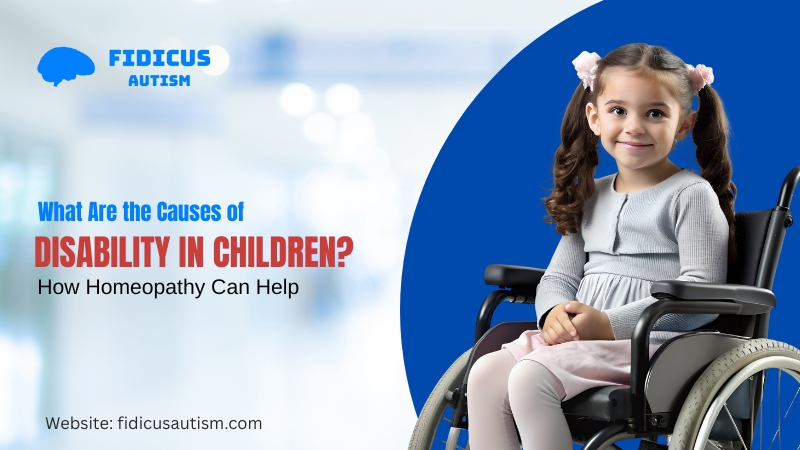
Disabilities in children can stem from multiple causes, including genetic disorders, complications during pregnancy or birth, infections, malnutrition, injuries, or delayed developmental milestones. These conditions may affect mobility, communication, learning abilities, or overall growth, often creating challenges for both the child and the family. Early recognition of the causes plays a crucial role in providing the right support and ensuring better outcomes. While conventional treatments often focus only on managing outward symptoms, homeopathy takes a holistic approach.
It considers the child as a whole—physical, mental, and emotional—rather than isolating a single condition. For a Special Needs Child, homeopathy aims to strengthen immunity, improve cognitive and emotional development, and enhance overall vitality. By addressing underlying susceptibilities and promoting natural healing, homeopathy offers gentle, safe, and non-invasive support tailored to each child’s unique constitution. This integrative approach not only helps manage the root causes of disability but also improves quality of life, allowing children to achieve their highest potential in a nurturing way. For parents seeking a natural and individualized solution, homeopathy provides a compassionate path to long-term well-being.
What is Disability?
Disability refers to a condition that limits a child’s ability to perform activities that are considered normal for their age and stage of development. It can affect different areas of functioning, including physical movement, intellectual capacity, sensory abilities (like hearing and vision), speech delay and communication, and emotional or behavioral health. These limitations may be temporary or permanent, mild or severe, depending on the cause. According to the World Health Organization (WHO), disability is not just a medical condition; it is an outcome of the interaction between a child’s health condition and the surrounding environment. This means that disability is influenced by both internal (biological) and external (social, environmental) factors.
Key Features of Disability
- Functional Limitation: The child may struggle with walking, speaking, learning, or social interaction.
- Participation Restriction: The disability may prevent the child from taking part in school activities, play, or social gatherings.
- Individual Variation: No two children with the same condition experience disability in exactly the same way – it depends on their health, environment, and support system.
Types of Disabilities in Children
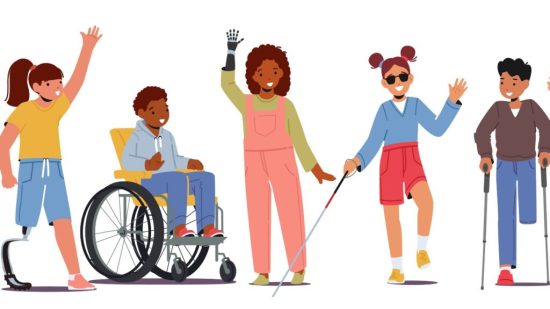
Disability in children can present in many forms, each influencing development in a unique way. Recognizing these categories helps parents understand their child’s challenges and choose timely, effective care.
Physical Disability
Physical Disabilities affect a child’s ability to move, walk, or coordinate body functions. Conditions such as cerebral palsy and muscular dystrophy limit independence and make daily tasks like walking, dressing, or self-care difficult.
Sensory Disability
Sensory Disabilities involve difficulties with one or more senses, most commonly vision and hearing. A child with blindness, partial sight, or hearing loss may struggle with communication, learning, and social interaction.
Intellectual Disability
Intellectual Disabilities are characterized by challenges in learning, reasoning, and problem-solving. Children with Down syndrome or global developmental delay may find it harder to understand concepts, adapt to new situations, or perform daily activities.
Neurodevelopmental Disability
Neurodevelopmental Disabilities occur due to differences in brain growth and function. Autism spectrum disorder (ASD), ADHD, and dyslexia are some common examples. These conditions affect behavior, attention, communication, and social skills, making it important for parents to recognize signs early and provide structured care.
Communication Disability
Communication Disabilities interfere with a child’s ability to express themselves or understand others. Speech delay, apraxia of speech, and language disorders are common in children with communication difficulties. Such challenges can affect confidence, learning, and interaction with peers.
Causes of Disability in Children
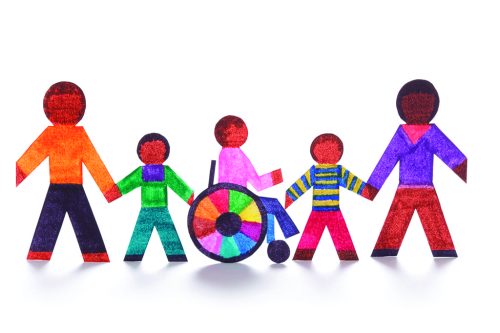
The causes of disability in children are complex and multifactorial, often involving a combination of biological, environmental, and social influences. Disabilities may arise before birth due to genetic conditions, infections, or maternal health problems; during birth because of complications such as oxygen deprivation; or after birth as a result of infections, injuries, or poor nutrition.
Prenatal Causes (Before Birth)
Some disabilities develop during pregnancy. Genetic conditions like Down syndrome, maternal infections such as rubella or Zika virus, and nutritional deficiencies (like lack of folic acid or iodine) can affect brain and body development.
Perinatal Causes (During Birth)
Complications during birth may also lead to disabilities. Premature birth, birth asphyxia (lack of oxygen), severe neonatal jaundice, or birth trauma can cause long-term developmental and neurological issues.
Postnatal Causes (After Birth)
After birth, conditions such as meningitis, encephalitis, or head injuries can harm the nervous system. Malnutrition, especially lack of protein, iron, or iodine, affects growth and learning. Environmental toxins like lead, and chronic illnesses can further delay development.
Social and Environmental Factors
Poverty, lack of healthcare, poor nutrition, and social neglect can worsen the impact of disability, limiting a child’s opportunities for healthy growth.
Early Detection and Intervention
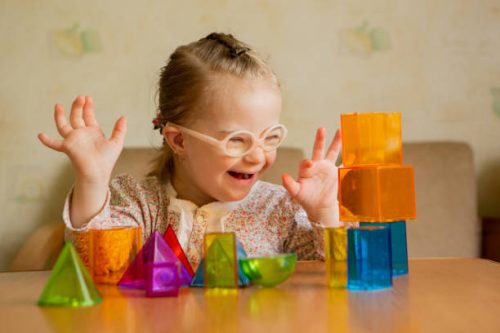
Early detection plays a crucial role in managing childhood disabilities. When developmental delays or unusual behaviors are identified at the right time, parents can seek appropriate treatment that supports the child’s overall growth. Recognizing early warning signs ensures that the child receives care before challenges become more difficult to manage.
Warning Signs Parents Should Notice
Some of the most common indicators of potential disability include:
- Motor Delays: A child not achieving milestones such as sitting, crawling, or walking within the expected age range may be showing signs of motor impairment or developmental delay.
- Speech and Language Delay: Limited vocabulary or failure to speak simple words by 18–24 months can indicate communication difficulties.
- Social Challenges: Lack of eye contact, not responding to their name, or avoiding interaction may suggest neurodevelopmental conditions such as autism spectrum disorder.
- Behavioral Concerns: Excessive hyperactivity, repetitive behaviors, or difficulty managing emotions could signal underlying psychological or developmental concerns.
- Sensory Issues: Unusual reactions to sound, light, touch, or textures may point toward sensory processing difficulties.
Early detection gives parents the opportunity to choose natural and safe homeopathic treatment for their child.
How Homeopathy Can Help in Causes of Disability?
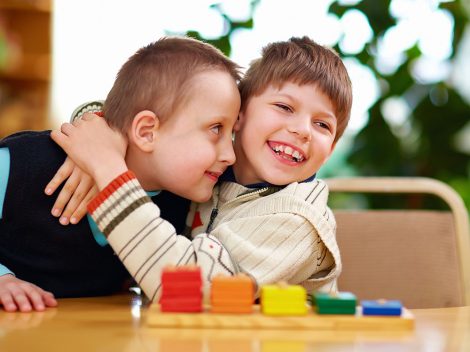
Unlike conventional treatments that focus only on symptoms, homeopathy works holistically by addressing the root causes of disability while strengthening a child’s overall constitution.
The Role of Homeopathy:
- For Genetic or Birth-Related Conditions: Helps in reducing irritability, improving sleep, and boosting immunity.
- For Post-Infectious Causes: Aids natural recovery after conditions like meningitis.
- For Behavioral and Emotional Issues: Remedies reduce restlessness, aggression, and hyperactivity.
- For Developmental Delays: Supports focus, memory, and emotional balance.
At Fidicus Autism, every child undergoes a detailed case study – including pregnancy history, birth details, developmental milestones, and behavior patterns – to prescribe safe, individualized remedies.
Benefits of Homeopathy Treatment for Children with Disabilities
Parents prefer homeopathy because it offers a safe, gentle, and personalized approach. Key benefits include:
- Safe for Children – Non-toxic and free from side effects.
- Individualized Care – Remedies tailored to each child’s unique condition.
- Holistic Healing – Improves immunity, digestion, sleep, and behavior.
- No Side Effects – Suitable for long-term use without complications.
- Enhanced Quality of Life – Promotes better emotional balance and participation in daily activities.
Conclusion
Understanding the causes of disability in children is the first step toward effective management. While disabilities may arise due to genetic, medical, or environmental factors, homeopathy provides a safe and holistic approach that strengthens the child’s overall health and development. At Fidicus Autism, we specialize in individualized homeopathic treatment that helps children with different types of disabilities achieve better balance, confidence, and quality