Early diagnosis plays a crucial role in helping children with autism achieve better growth and development. Autism is a developmental condition that affects communication, behavior, and social interaction. Recognizing the signs at a young age allows parents to seek timely diagnosis for autism in children and start the right care. Common signs include speech delay, avoiding eye contact, repetitive actions, and social difficulties. Detecting these early can prevent complications and support the child’s overall progress.
Unlike conventional methods, homeopathy treatment for autism takes a gentle and holistic approach. Homeopathy works by addressing the child’s unique emotional, physical, and behavioral patterns. It aims to reduce challenging behaviors, improve focus, and strengthen overall health without side effects. With individualized remedies, a homeopathy doctor for autism provides care that supports long-term development in children.
What is autism?
Autism Spectrum Disorder (ASD) is a developmental condition that affects how a child communicates, behaves, and experiences the world. It is called a “spectrum” because symptoms range from mild to severe, and every child is unique.
Communication skills: Children may have delayed speech, unusual patterns of speaking, or difficulty understanding nonverbal cues like gestures and facial expressions.
Social interaction: Many autistic children find it challenging to make eye contact, respond to their name, or engage in back-and-forth conversations.
Behavioral patterns: Repetitive actions, strict routines, or intense focus on specific topics are common characteristics.
Sensory differences: Some children may be overly sensitive to light, sound, touch, or smell, while others may appear under-responsive.
The goal of early recognition and Diagnosis for Autism in Children is to provide them with therapies and strategies that maximize their strengths and independence.
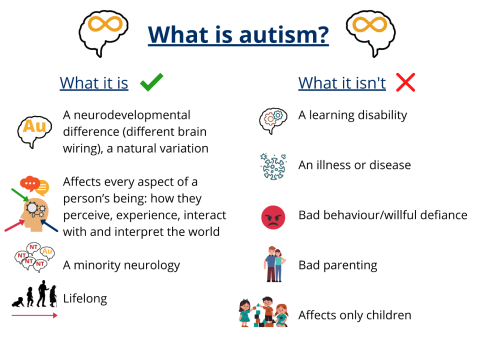
What are the signs and symptoms of autism?
Parents are usually the first to notice early developmental differences. Being aware of these warning signs is the first step toward early detection and timely diagnosis for autism. While symptoms vary widely, they generally fall into three main areas:
Social and communication challenges
- Limited eye contact or lack of response when called by name.
- Delay in speaking first words or forming sentences compared to peers.
- Difficulty understanding or using gestures like pointing, waving, or nodding.
- Trouble engaging in back-and-forth conversations or pretend play.
- Challenges in making friends, sharing interests, or showing empathy.
Behavioral and sensory patterns
- Repetitive movements such as hand-flapping, rocking, or spinning objects.
- A strong attachment to routines or rituals, with distress if these are disrupted.
- Intense focus on specific topics or objects (e.g., numbers, cars, trains, letters).
- Over- or under-sensitivity to sensory input—such as being distressed by loud noises, picky with textures, or seeking deep pressure touch.
Other developmental concerns
- Uneven skill development, where a child may excel in one area (like memory or puzzles) but be delayed in another (like language or social skills).
- Emotional meltdowns or difficulty managing frustration, often triggered by sensory overload.
- Feeding challenges, picky eating, or unusual food preferences.
- Sleep difficulties, such as irregular sleep cycles or trouble staying asleep.
Not every child will show all these signs, and some behaviors may appear at different ages. However, recognizing these patterns early enables parents to seek timely diagnosis for Autism, ensuring their child receives the right interventions at the right time.
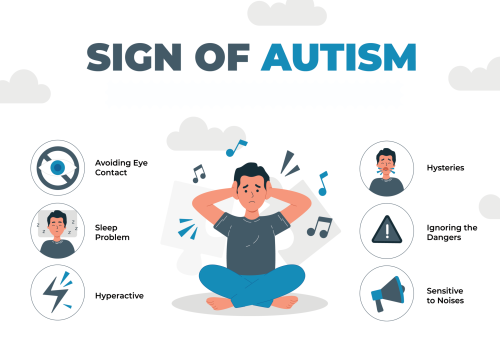
What strengths do autistic children have?
While autism presents challenges, it also comes with unique strengths and talents that should be recognized and nurtured. Every child has abilities that, when encouraged, can help them shine in academics, creativity, and daily life. Some common strengths include:
- Exceptional memory: remembering details, numbers, or facts
- Creativity: strong imagination, unique problem-solving skills
- Focus: ability to work deeply on a subject of interest
- Honesty: straightforward communication without hidden intentions
- Special skills: some children excel in art, music, math, or technology
Focusing on strengths while addressing difficulties helps children thrive in both academic and social environments.
What causes autism?
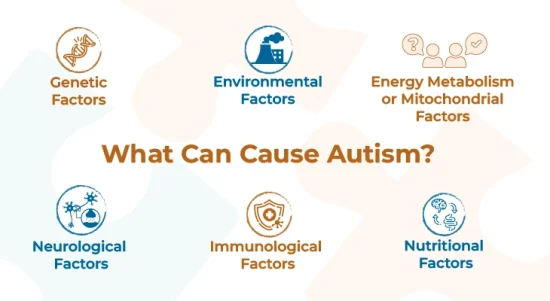
Autism does not have a single cause; instead, it develops from a complex interaction of multiple factors that influence how the brain grows and functions. Just like the different Causes of Disability in children, autism arises from a combination of genetic, neurological, and environmental influences. Research continues to explore these factors, but current understanding highlights:
- Genetic influences: Certain genes increase the likelihood of autism, and in some cases, specific gene mutations or chromosomal conditions are directly linked.
- Brain development differences: Studies show that autistic children may have atypical connectivity and functioning in regions of the brain responsible for communication, social interaction, and sensory processing.
- Environmental factors: Advanced parental age, complications during pregnancy or birth, low birth weight, or exposure to toxins and infections during pregnancy may contribute to risk.
- Other medical conditions: Some genetic syndromes—such as Fragile X syndrome, Rett syndrome, and Tuberous Sclerosis—are associated with autism.
It is important to understand that autism is not caused by parenting style, emotional environment, or lack of affection. Instead, it is a neurodevelopmental condition shaped by a mix of genetic and biological influences.
Is autism genetic?
Yes, research shows a strong genetic component in autism. However, it is not entirely genetic:
- Studies reveal autism can run in families.
- Siblings of autistic children have a higher likelihood of being diagnosed.
- Some rare genetic mutations can directly cause autism.
- Still, many children with autism have no clear genetic link, showing that multiple factors are involved.
Understanding the role of genetics can help families prepare, but Diagnosis for Autism in Children always relies on observing developmental behavior, not genes alone.
Diagnosis for Autism in Children
Early diagnosis is the first and most important step toward helping a child with Autism Spectrum Disorder (ASD). Identifying autism at the right time allows parents to plan proper care and choose the best treatment options. At Fidicus Autism, we focus on providing safe and individualized homeopathy treatment for Autism, which helps address behavioral, emotional, and developmental challenges naturally.
Step 1 — Developmental monitoring
Parents should closely observe milestones such as babbling, walking, social smiles, and first words. If a child shows delays in speech, communication, or social interaction, these concerns should be noted.
Step 2 — Developmental screening
At 18 and 24 months, pediatricians usually recommend autism screenings like the M-CHAT (Modified Checklist for Autism in Toddlers). If results indicate risk, parents should proceed for a detailed evaluation.
Step 3 — Comprehensive evaluation
A child specialist or developmental pediatrician may conduct assessments including:
- Parent interviews about developmental history.
- Observation of the child’s behavior and interactions.
- Developmental tests to check speech, motor, and cognitive abilities.
Step 4 — Medical check-up
Basic hearing, vision, and sometimes genetic evaluations may be suggested to rule out other conditions.
Step 5 — Starting treatment with homeopathy
Unlike conventional approaches that rely mostly on therapies or medications with side effects, homeopathy treatment for Autism focuses on the child as a whole. At Fidicus Autism, remedies are selected after a detailed case study of the child’s behavior, emotional state, sensitivities, and overall health. Homeopathy helps in improving concentration, reducing hyperactivity, balancing emotions, and supporting speech and social development—without being invasive.
Step 6 — Regular follow-up and guidance
Autism is a lifelong condition, and children’s needs change as they grow. Regular follow-ups at our clinic ensure remedies are adjusted according to the child’s progress. Parents are guided at every step so that treatment is holistic and child-friendly.
homeopathy treatment for Autism
Families often search for safe, natural, and gentle ways to support their children with Autism Spectrum Disorder (ASD). Homeopathy treatment for Autism provides an individualized approach where remedies are selected based on the child’s unique physical, emotional, and behavioral patterns.
How homeopathy may help:
- Helps reduce stress, anxiety, and restlessness.
- Improves sleep patterns and emotional stability.
- Addresses associated concerns such as hyperactivity, sensitivity, or digestive issues.
- Supports better focus, concentration, and social interaction.
- Strengthens the child’s natural immunity and overall well-being.
Why choose homeopathy for Autism?
- It is a safe, non-invasive, and side-effect-free system of medicine.
- Remedies are gentle yet effective, designed to match the child’s personality and symptoms.
- Treatment is personalized—every child receives a remedy based on their individual needs, not a one-size-fits-all approach.
- Many parents report visible improvements in behavior, calmness, sleep, and communication after starting homeopathic care.
At Fidicus Autism, we specialize in providing individualized homeopathy treatment for Autism. Our goal is to help children grow with confidence, balance, and independence by addressing their overall health and supporting their natural development.

Final Thoughts
Autism is a lifelong condition, but with early recognition and the right approach, children can achieve remarkable progress. Every child on the spectrum is unique, with their own challenges as well as hidden strengths waiting to be nurtured.
While conventional methods often focus only on managing symptoms, homeopathy treatment for Autism works gently and holistically to support the child’s overall development—physically, emotionally, and mentally. It offers a safe and natural way to reduce difficulties like hyperactivity, sleep problems, anxiety, and sensitivity, while also encouraging better focus, balance, and social interaction.